Skip to content
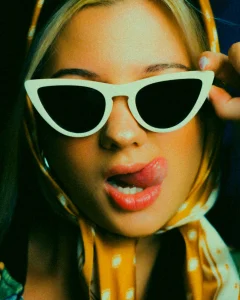 Cat eye sunglasses have captivated fashion lovers for nearly a century, evolving from modest beginnings into one of the most iconic eyewear styles ever created. Whether you’re drawn to Audrey Hepburn’s classic 1960s sophistication or today’s modern interpretations, understanding how cat eye sunglasses have changed through the decades helps you find the perfect pair for your personal style.
The Birth of the Cat Eye (1920s to 1930s)
The cat eye story begins in the late 1920s when American designer Altina Schinasi Miranda noticed something troubling: every pair of glasses in New York shop windows looked exactly the same. Inspired by the dramatic masks she’d seen in Venice, Italy, Schinasi designed frames with upswept edges that emphasised the eyes.
Initially rejected by major manufacturers, Schinasi eventually found a boutique on Madison Avenue willing to stock her “Harlequin” frames. The design was revolutionary because it was the first genuinely feminine eyewear style in a market dominated by masculine, utilitarian frames.
1930s Characteristics:
- Subtle upward tilt at the outer corners
- Rectangular lens with thick frames
- Small decorative details like gold stars or patterns
- Called “Harlequin” frames
Who Should Wear 1930s-Style Cat Eyes: These early versions work brilliantly for people who want vintage flair without going over the top. The modest upsweep flatters most face shapes, especially oval and heart-shaped faces. Perfect for everyday wear when you want a touch of retro sophistication.
The Golden Age (1950s)
The 1950s transformed cat eye glasses from niche accessory to mainstream must-have. Post-war optimism and growing consumerism meant people wanted fashion-forward eyewear, not just functional specs. The frames became narrower and more pointed during this decade, with the signature upsweep becoming more pronounced.
The Victoria and Albert Museum’s Oliver Goldsmith collection documents this transition beautifully, showing how manufacturers like Oliver Goldsmith handcrafted each frame, adding embellishments like rhinestones and metallic inlays to make glasses a genuine fashion statement.
1950s Characteristics:
- Narrow, pointed frames
- More dramatic upsweep than 1930s versions
- Often embellished with rhinestones or crystals
- Available in vibrant colours as well as classic tortoiseshell
- Smaller lenses compared to later decades
Who Should Wear 1950s-Style Cat Eyes: If you have a round or square face, these frames are excellent. The angular shape adds definition and balances softer features. They’re ideal for creating that classic “pinup” aesthetic or adding vintage charm to modern outfits.
Hollywood Glamour (1960s)
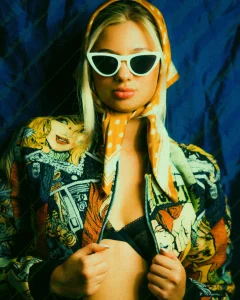
The 1960s cemented cat eye sunglasses as a cultural icon, thanks largely to Audrey Hepburn. When she wore oversized tortoiseshell cat eye sunglasses (the “Manhattan” by Oliver Goldsmith) in Breakfast at Tiffany’s (1961), the style exploded globally.
This decade saw frames transform from narrow and pointed to large and oversized. The addition of tinted lenses made sunglasses versions incredibly popular. Suddenly, cat eyes weren’t just for seeing better; they were for looking fabulous.
Other Hollywood legends like Marilyn Monroe, Grace Kelly, and Elizabeth Taylor embraced the style, each bringing their own interpretation. The frames became synonymous with feminine sophistication, mystery, and Old Hollywood glamour.
1960s Characteristics:
- Oversized frames that covered significant portions of the face
- Less pointed than 1950s, more rounded at the upsweep
- Dark tinted lenses for sunglasses
- Tortoiseshell extremely popular
- Often embellished with decorative details
Who Should Wear 1960s-Style Cat Eyes: These oversized frames suit people with smaller or more delicate features. The large frame balances petite faces beautifully. They’re also brilliant for creating drama and making a statement. If you love that “Holly Golightly” aesthetic, these are your frames.
The Decline and Underground Years (1970s to 1990s)
The 1970s brought new eyewear trends that overshadowed cat eyes. Large, round “bug eye” glasses and square aviator styles dominated fashion. Cat eye frames retreated from mainstream popularity, though they never disappeared entirely.
Throughout the 1980s and early 1990s, cat eyes were often associated with older generations rather than cutting-edge fashion. They became “grandma glasses” in popular culture, precisely because grandmothers had worn them during their heyday in the 1950s and 60s.
However, vintage enthusiasts and alternative fashion communities kept the style alive. Rockabilly culture, in particular, embraced cat eyes as part of authentic 1950s-inspired looks.
1970s to 1990s Characteristics:
- More modest versions of earlier styles
- Often seen in prescription glasses rather than sunglasses
- Clear or lightly tinted lenses
- Less embellishment
- Considered “retro” or “vintage” rather than current
Who Should Wear These Era Cat Eyes: If you’re building an authentic vintage wardrobe or love rockabilly, pinup, or retro aesthetics, seek out genuine vintage frames from this period. They offer authentic styling that modern reproductions sometimes miss.
 The Revival (2000s)
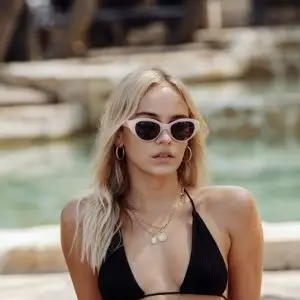
The early 2000s saw cat eyes return to fashion runways and high streets. Designers reinterpreted the classic shape with modern materials and contemporary colours. Y2K fashion embraced slim, often rectangular cat eye frames that nodded to the original style without fully replicating it.
This decade introduced variations we’d never seen before: clear frames, neon colours, and ultra-thin designs. The cat eye shape became a starting point for experimentation rather than a rigid template.
2000s Characteristics:
- Slimmer, more streamlined than 1960s versions
- Variety of colours including pastels and metallics
- Mix of vintage inspiration and futuristic elements
- Often smaller and more subtle than classic versions
- Clear and coloured acetate popular
Who Should Wear 2000s Cat Eyes: These work for people who want the cat eye silhouette without full vintage commitment. They’re versatile enough for both casual and formal settings and suit most face shapes due to their moderate size and shape.
Modern Interpretations (2010s to 2026)
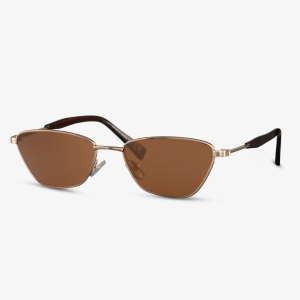
Today’s cat eye sunglasses celebrate the style’s entire history whilst adding contemporary twists. From Céline’s sharp, architectural versions to Gucci’s embellished, baroque interpretations, modern designers treat the cat eye as a versatile canvas for creativity.
Current cat eye sunglasses range from barely-there subtle upswee ps to dramatic, oversized statements. You’ll find geometric variations, asymmetric designs, and versions that blend cat eye elements with other styles like wayfarers or aviators.
The beauty of modern cat eyes lies in their diversity. Whether you prefer minimalist, retro-faithful, or avant-garde, there’s a contemporary cat eye for you. Many brands now offer affordable versions that capture the spirit of vintage frames without the vintage price tag.
2020s Characteristics:
- Huge variety from subtle to dramatic
- Mix of materials including sustainable options
- Geometric and asymmetric interpretations
- Embellishments ranging from minimalist to maximalist
- Sizes spanning from tiny “micro” to oversized
- Available at all price points
Who Should Wear Modern Cat Eyes: Everyone! The sheer variety means there’s a modern cat eye for every face shape, personal style, and budget. Experiment with different interpretations to find what works for you.
Choosing Your Era: Face Shape Guide
Round Faces: Best eras: 1950s (angular and pointed) or modern geometric versions Why: The sharp angles add definition and create the illusion of length Avoid: Very rounded 1960s versions that emphasise roundness
Oval Faces: Best eras: Any! Oval faces suit all cat eye variations Why: Balanced proportions work with every frame style Try: Experiment with different eras to discover your favourite
Square Faces: Best eras: 1960s (rounded upsweep) or modern curved interpretations Why: Softer curves balance angular features Avoid: Super sharp, geometric modern versions that add more angles
Heart-Shaped Faces: Best eras: 1930s (subtle) or modern medium-sized frames Why: Bottom-heavy frames balance wider foreheads Avoid: Very large 1960s versions that emphasise top-heaviness
Long Faces: Best eras: 1960s oversized or modern wide frames Why: Width balances length Avoid: Narrow 1950s versions that emphasise face length
Styling Cat Eyes Through the Decades
Creating a 1950s Look
Pair narrow, pointed cat eyes with:
- High-waisted skirts and fitted tops
- Red lipstick and winged eyeliner
- Pearl jewellery
- Structured handbags
Channelling 1960s Glamour
Style oversized cat eyes with:
- Shift dresses or A-line skirts
- Beehive or bouffant hairstyles
- Bold, graphic prints
- Statement earrings
Modern Mix
Wear contemporary cat eyes with:
- Anything! Modern cat eyes work with casual jeans, business wear, or evening outfits
- Minimal makeup for a chic, understated look
- Bold makeup for maximum impact
- Mix vintage and modern pieces freely
Quality Markers in Affordable Cat Eyes
You don’t need to spend hundreds on authentic vintage or designer frames. Modern affordable cat eyes can be just as stylish and well-made. Look for:
Frame Quality:
- Smooth finish with no rough edges
- Secure hinges that open and close smoothly
- Comfortable nose pads
- Even colour distribution
Lens Quality:
- UV400 protection (essential!)
- No visible distortion when looking through them
- Secure fitting in frames
- Clear or evenly tinted
Design Details:
- Symmetrical shape on both sides
- Secure temple arms
- Proper alignment of all frame elements
- Quality finish on any embellishments
Building Your Cat Eye Collection
Consider owning cat eyes from different eras to suit various occasions:
Everyday Classic: Modern or 2000s version in black or tortoiseshell. Versatile enough for anything from work to weekends.
Statement Piece: 1960s-inspired oversized frames in a bold colour. Perfect for holidays, special occasions, or when you want to turn heads.
Subtle Option: 1930s or 1950s inspired frames in a neutral tone. Ideal when you want vintage flair without overwhelming your look.
Trendy Option: Current season’s interpretation from your favourite affordable brand. Keeps you fashion-forward without major investment.
The Timeless Appeal
What makes cat eye sunglasses so enduring? They combine femininity with strength, vintage charm with modern versatility, and practical sun protection with undeniable style. Every decade has reinterpreted them, yet the essential cat eye shape remains recognisable and beloved.
Whether you’re drawn to the subtle sophistication of 1930s Harlequins, the Hollywood glamour of 1960s oversized frames, or the cutting-edge interpretations coming from today’s designers, there’s a cat eye style waiting for you. The key is understanding what each era offers and choosing frames that complement your face shape and personal aesthetic.
As you explore womens sunglasses options, remember that the best cat eye frames are the ones that make you feel fabulous. Whether faithful to a specific decade or mixing elements from across the years, let your personal style guide your choice. The cat eye has survived nearly 100 years of fashion evolution for good reason: it simply works.
From Altina Schinasi’s original Harlequin frames to today’s diverse interpretations, cat eye sunglasses prove that great design transcends decades. Choose your era, find your perfect pair, and join the long line of stylish people who’ve made the cat eye their signature look. After all, with so many interpretations to explore, why settle for just one? Build your collection, experiment with different eras, and discover which cat eye speaks to your unique style.
For those seeking something truly unique, modern cat eyes offer endless possibilities whilst honouring their rich heritage. The perfect retro style isn’t about perfect historical accuracy; it’s about finding frames that make you feel confident, stylish, and authentically yourself.